


One of the biggest frontiers in electrical engineering today is the development and implementation of smart grid technology. Fueled by the global demand for greener technologies and alternative fuels, environmentally-friendly smart grid technology has the ability to stimulate stagnated economies and change the way power is delivered to electricity consumers around the world.
Smart grid technology combines existing electrical infrastructure with digital technologies and advanced application to provide much more efficient, reliable and cost-effective energy distribution. It’s a merger of power systems, information technology, telecommunications, switchgear and local power generation, along with other fields. As these separate technologies become merged, new safety considerations must be taken into account.
Ever since the days of Thomas Edison, people have been concerned with the safety of electrical devices. As innovative technologies and new opportunities and safety issues arise, the National Electrical Safety Code® (NESC®) evolves to address any and all concerns.
As Technology Advances, So Does the NESC
As plug-in hybrid electric vehicles (PHEVs) and full electric vehicles (EVs) replace gasoline-only burning vehicles, public parking lots will need to be equipped with outdoor charging stations, including pay-for-use charging stations. These stations will integrate technologies such as electrical metering, switching, information technology, telecommunications and currency handling technology.
Safety comes into play in making the charging station terminals safe for unskilled drivers to use, guarding against intentional access to hazardous voltages, as well as in protecting communication circuits. This may mean putting telecommunication protectors at each end of a campus-run communication conductor where an exposure to lightning or to accidental contact with electric power conductors exists.
Vehicle charging stations are just one example of how advances in technology lead to NESC updates.
Stay on Top of the NESC
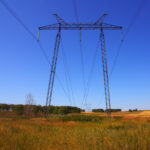 The safety of utility-owned smart grid equipment within power generation or transmission circuits, up to and including the service conductors to customer buildings, will to continue to be evaluated for safety in accordance with basic utility safety standards or codes, including NESC.
To help your company prepare to comply with the latest safety guidelines, IEEE offers a complete seven-course NESC program online through IEEE Xplore :
- Introduction to the National Electrical Safety Code
- Changes to the NESC 2017 Edition
- Introduction to Grounding
- Work Rules for the Operation of Electric Supply and Communications Lines and Equipment
- Rules for Installation and Maintenance of Electric Supply Stations
- NEW! Safety Rules of the Installation and Maintenance of Underground Electric Supply
- NEW! Safety Rules for Installation and Maintenance of Overhead Electric Supply
Order the complete program today and stay on top of the critical tech issues affecting the industry.
Resources
Gies, Don. (1 Mar 2014). Safety Considerations for Smart Grid Technology Equipment. In Compliance.
No comments yet.