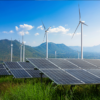
Experts confirm that current and future needs for electricity may soon exceed our global supply. New AI-driven data centers, electric vehicle charging stations, energy-intensive manufacturing operations, and a growing volume of internet connections are placing an increasing strain on outdated electric grids. This looming reality has since challenged utilities, grid operators, technologists, and regulators to reconcile existing electric capacity with rising demand.

It subsequently comes as no surprise that interest in renewable energy sources and related green technologies continues to grow. These solutions reduce carbon footprints, enhance global sustainability, and combat the effects of climate change.

Energy industry professionals have been addressing the disparity between electric supply and demand in various ways. Solutions include everything from increasing overall reliance on renewable energy sources to employing IoT-enabled automation devices. These actions optimize electric distribution, reduce waste, and enhance overall electric efficiency, reliability, and performance.

A Green Energy Revolution

As utilities continue to integrate renewable energy sources into their mix, numerous engineering advancements are helping them meet energy supply targets and align with the United Nations’ Sustainable Development Goals for 2030.

In the solar power arena, scientists use a highly responsive family of crystalline compounds called perovskites to deliver more power from existing solar panel devices. Based on their ability to analyze massive amounts of real-world data, quantum computing and AI are also being harnessed to help achieve more efficient solar cell design. Thanks to these technological achievements, solar energy has become more affordable, with costs dropping by some 90% in the last decade. Based on this and other factors, the World Economic Forum predicts that solar power is on track to be the world’s dominant power source by 2050.

The Future of Sustainable Energy

Though wind turbines are currently a less prevalent source of renewable energy worldwide than solar power, advancements in these devices are similarly helping to make them more powerful, efficient, and accessible. An engineering team at England’s University of Birmingham recently used AI to test more than 2,000 different blade designs and “explore design possibilities beyond the scope of traditional human experimentation.” Their research led to the development of the ‘Birmingham Blade,’ an optimally shaped and weighted blade that’s up to seven times more efficient than existing designs. It is scheduled to be commercially available later this year. The computational powers of AI also accelerated the blade design process, reducing development time from years to weeks.

As a result of these and other breakthroughs in the green energy industry, renewable energy sources are growing globally. In 2024, all renewable energy sources combined – including wind, solar, hydropower, biomass, and geothermal – provided over 32% of the world’s electricity. This is nearly double the level that renewable sources represented 25 years earlier. In the U.S., the use of renewables accounted for over 24% of total electricity production in 2024, up 4% from 2023.

Smart Grid innovations

On top of the growing use of renewable energy sources, utilities are increasingly relying on intelligent “edge devices” to optimize electricity usage. This category includes the use of IoT-driven sensors and smart two-way meters. These devices provide continuous monitoring and enable real-time insights into grid conditions. By tracking each user’s energy consumption patterns, these smart devices promote informed decision-making. This allows utilities and users to optimize their energy usage and better integrate solar, wind, and other renewable sources into their energy portfolio. The additional ability to store this energy through battery energy storage systems (BESS) further helps to address supply shortfalls and stabilize/optimize the grid.

Transportation and Sustainability

Other technological developments are also making great strides towards reducing our global reliance on fossil fuels and combatting climate change. In the transportation sector, ongoing advancements in electric vehicle design, regenerative braking, and electric drive train technology continue to deliver instant power, greater efficiency, and zero tailpipe emissions relative to conventional internal combustion engines.

The world is responding in kind, with global sales of electric vehicles hitting a record 17 million in 2024 (a 25% growth over 2023 levels). This trend will continue to reduce the world’s carbon footprint. According to the European Environment Agency (EEA), electric vehicles emit 30% less greenhouse gases than traditional gasoline-fueled cars. Their lifecycle emissions could decrease by at least 73% by 2050. In the U.S. alone, experts believe that the widespread use of EVs will lower the country’s CO2 pollution by two-thirds.

IEEE Climate Change eLearning Courses

As a globally recognized professional organization that plays a key role in shaping the fields of electrical engineering, electronics, and computer science, IEEE is committed to using its expertise and resources to foster technology for a sustainable climate.

To address growing concerns about climate change, IEEE offers a broad range of eLearning resources. These courses focus specifically on climate change and its impact across various industries, including:

green-engineering-climate-change-innovation

The evolution to the use of cleaner, “greener” energy sources worldwide isn’t a matter of if, but when.

It’s reported that the year 2030 will see a nearly ten-fold increase in the number of electric vehicles on the road relative to current levels. The presence of solar photovoltaic (PV) technology will generate a significantly greater share of electricity than it does today. Another prediction is the sale of electric heat pumps will overtake fossil fuel-consuming boilers for the first time. Plus, 2030 could see three times more investment in offshore wind turbines than conventional coal- and gas-fired power plants.

All of this green activity will result in a significant rise in the global share of electricity generated by renewable sources, a number which currently stands at 29-30% but could nearly double to roughly 50% in the next five years, according to the 2023 World Energy Outlook. 

A Historic Transition

Fossil fuels like coal, oil, and gas are major contributors to global climate change. As explained in a short informative video from the Museum of Science, Boston, data reveals that since the 1960s, atmospheric CO2 has increased 100 times faster in the past 60 years than in all previous natural increases.

By contrast, green/renewable energy generated by naturally replenishable sources emit little to no greenhouse gases or pollutants into the atmosphere. (These sources include the sun, wind, water, waste, and the Earth’s own heat.)

Based on the abundance and accessibility of green energy sources globally, the International Renewable Energy Agency (IRENA) believes that 90% of the world’s electricity could be generated by renewable energy by 2050. Among its many benefits, green energy is a less-expensive source than fossil fuel-generated electricity. With World Health Organization studies attributing over 13 million deaths globally to air pollution and other environmental hazards each year, green energy is also a far safer and healthier source. According to industry experts, the growth of renewable energy will also drive a wealth of employment opportunities. The International Energy Agency (IEA) estimates that the coming decade will create more than 30 million jobs to support the design and manufacture of green, low-emission, renewable technologies in the coming decade. This figure would significantly offset the five million jobs that may be lost within the waning field of fossil fuel production.

Green Energy Advancements Abound

A wide variety of innovative technologies are helping usher in a new day in the green energy landscape. These include ongoing advancements in solar power and battery energy storage (BESS), developments in the growing field of windmills and wind turbines, and the emergence of smart grid technologies that enable intelligent and efficient two-way monitoring of energy transmission, consumption, distribution, and maintenance.

Additionally, green radio techniques are boosting efficiency and reducing the power consumption associated with modern wireless cellular networks.

A new class of power semiconductors are supporting the drive trains that deliver power from a vehicle’s engine to its wheels in the growing population of electric vehicles.

Furthermore, across many other industries, artificial intelligence (AI) has been identified as “an enabler of cleaner energy deployment.” For example, AI can analyze trends in big data to improve energy output at the generating level, make strategic decisions regarding electric grid planning, and efficiently manufacture the semiconductors that power many green technologies, including autonomous and electric vehicles, mobile phones, laptops, LEDs, and more.

Leading the Way in Green Engineering eLearning

Let IEEE help inform your understanding of climate change and green engineering. The microlearning course, Engineering Solutions for a Sustainable Future, is a great way to get started!

It covers a broad range of timely and critical climate change-related topics, such as intelligent urban networks that can reduce congestion, V2G solutions for distribution system reliability, and hybrid home energy management systems for emission reduction. Other green innovations covered in the course include sustainable Internet of Things (IoT) device development solutions, optimum energy-efficient data center policies for climate control, optimized resource scheduling based on export rates, battery swapping stations for electric vehicles, and more. The course’s informative and highly accessible 7- to 10-minute modules provide learners with a solid overview of the many pressing engineering and sustainability challenges as well as the innovative solutions making headlines in today’s green energy arena.

As a globally recognized organization that plays a significant role in shaping the fields of electrical engineering, electronics, and computer science, IEEE is committed to help combat, mitigate effects of, and adapt to climate change through the coordination and education of engineers, scientists, and technical professionals. In an effort to address growing concerns about climate change and its impact on various industries, IEEE offers eLearning specifically focused on climate change.

Additional IEEE Climate Change eLearning Courses

As a globally recognized professional organization playing a significant role in shaping the fields of electrical engineering, electronics, and computer science, IEEE offers a wide variety of eLearning courses related to climate change. Available courses include:

Interested in accessing these courses for your organization? Contact an IEEE Content Specialist today to learn about the IEEE eLearning Library.


Resources:

(24 October 2023). The Energy World is Set to Change Significantly by 2030, Based on Today’s Policy Settings Alone. International Energy Agency.

Renewable Energy – Powering a Safer Future. United Nations.

Climate Change. IEEE TryEngineering.

(16 March 2021). Fast-Track Energy Transitions to Win the Race to Zero. International Renewable Energy Agency.

Sinha, Sumant. (26 February 2024). AI Can Power The Green Energy Transition. Forbes.

If you’ve seen solar panels on rooftops or wind power generated off coastal locales, you’re witnessing examples of DERs. Use of smart thermostats, electric vehicles, EV charging systems, fuel cells, or heat pumps also shows DERs. Additionally, participation in a local microgrid demonstrates the use of distributed energy resources, also known as DERs.

According to the U.S. Environmental Protection Agency (EPA), distributed energy resources involve “a variety of technologies that generate electricity at or near where it will be used” rather than centralized sources. DERs support single homes, businesses, huge industrial facilities, college campuses, and entire municipalities. This is often achieved through a microgrid that connects to a central utility’s distribution lines. They are popular because they reduce electricity costs, improve power quality, and support renewable energy. They’ve become increasingly popular.

Benefits of Distributed Energy Resources

Thanks to DERs, homes and businesses can reduce grid dependence. The grid is aging, with portions over a century old. DERs also minimize power outage risks, which are rising due to severe storms and disasters. At the same time, DERs offer users greater control. They allow users to generate energy for personal use, sell it, or modify demand.

As such, one doesn’t have to look far to see evidence of the growing market and demand for DERs worldwide. For instance:

  • On the solar panel front, Fortune Business Insights predicts the global solar power market will nearly double. It is expected to grow from US$254 billion in 2023 to US$437 billion by 2032.
  • Statista projects the global battery energy storage market will grow from US$5 billion in 2023 to US$18 billion by 2030, more than tripling.
  • Electric cars, which were 2% of all vehicles globally in 2018, accounted for about 18% of cars sold in 2023.
  • Smart thermostat sales in the U.S. are set to triple, growing from roughly US$1.3 billion in 2022 to US$3.9 billion by 2029.

Growing Demand

The outlook for DERs continues to be positive. Declining initial price points are driving demand for these technologies. Additionally, federal support and funding through the Inflation Reduction Act are boosting demand. They offer financial rebates and incentives to encourage adoption. Similarly, the U.S. Federal Energy Regulatory Commission’s Order No. 222 will compensate DER owners for power provided to the grid. According to the World Resources Institute, this will create “a new long-term value stream for the people and entities using these resources.”

Similar actions are happening globally to support DER proliferation. In Europe, the ‘European Green Deal’ and ‘Clean Energy for all Europeans’ initiatives promote renewable energy sources and DERs. The International Energy Agency confirms DERs are crucial for China’s energy transformation.

Ultimately, experts confirm that the ongoing transition to DERs will promote a more reliable, energy-efficient, and equitable energy system worldwide.

Challenges Abound

While DERs offer benefits such as resilience, cost-effectiveness, and sustainability, challenges exist too.

Harmonious operation of these systems requires investments in new technology. With many small-scale DERs activated worldwide, experts warn of potential issues. Integration with central power sources can lead to quality, compatibility, and reliability challenges. These will need more grid management control.

For these reasons, the IEEE Standard 1547 is crucial. It ensures the interconnection, interoperability, and safety of DERs connected to the grid.

“Before this standard, connecting renewable energy to the grid was challenging.” Christopher Sanderson, an industry expert, explained, “Each technology had its own protocols and requirements.” The IEEE Standard 1547 allows different DERs to work together seamlessly, he stated. It ensures electricity from various sources is reliably and efficiently integrated into the grid.

Navigate IEEE Standard 1547 Through a Targeted Course Program

Introduction to IEEE Standard 1547-2018: Connecting Distributed Energy Resources is a six-course program by IEEE. It trains technical teams on implementing this important standard. The course covers testing, verification, interoperability, and power quality issues from DER-grid interconnections.

Connect with an IEEE Content Specialist today to learn more about getting access to this program for your organization.

Interested in access for yourself? Visit the IEEE Learning Network (ILN).


Resources

Hurst, R.W. What is Distributed Generation? Distributed Energy Resources. The Electricity Forum.

Distributed Generation of Electricity and its Environmental Impacts. United States Environmental Protection Agency.

Richmond-Crosset, Kyle and Greene, Zachary. (30 September 2022). How Distributed Energy Resources Can Lower Power Bills, Raise Revenue in US Communities. World Resources Institute.

(May 2022). Unlocking the Potential of Distributed Energy Resources. International Energy Agency.

Ali, Junaid. (16 August 2024). The Future of Energy and Distributed Power. Forbes.

(5 August 2024). Solar Power Market Size, Share & Industry Analysis, By Technology. Fortune Business Insights.

Sanderson, Christopher. (30 June 2024). The Power of Standards: How IEEE-1547 Shapes Our Energy Future. LinkedIn.

Will Distributed Energy Resources (DERs) Change How We Get Our Energy? European Parliament.

Prospects for Distributed Energy Systems in China. International Energy Agency.

resilient-electric-grids-climate-change-weather-events

By their very nature, engineers are expert planners. They are trained to take many factors into consideration as they design, construct, and maintain a broad range of complex systems. These systems and structures are used across the market’s wide variety of industries and applications. However, one variable that’s proven more difficult to account for over the years when it comes to electric grid resiliency has been the weather and its increasingly volatile nature.

According to a recent report by the American Meteorological Society, climate change is leading to more extreme weather around the world. It is increasing the risk of everything from violent storms to unprecedented heat waves, floods, droughts, and other natural disasters.

Resilient Electric Grids in the Face of Weather Events

The growing incidence and severity of weather events has had an especially significant impact on electric grids worldwide. A recent report from science and technology organization Climate Central confirms that the resultant frequency of weather-related power outages is rising.

“We’re going to require a more robust grid than was built previously,” said Jen Brady, a lead analyst for Climate Central.

Consider Hurricane Ian, a Category 4 hurricane, whose widespread storm surge knocked out power to 2.7 million customers in Florida— nearly 25% of the state’s residents— in September 2022. Another example is Storm Ciarán, whose 100 mph winds resulted in power outages for millions of residents across multiple countries in November 2023. Elsewhere, Typhoon Lan knocked out power to tens of thousands of customers throughout western Japan in August 2023. Moreover, over 2.1 million customers lost power following a powerful storm that hit Sao Paulo, Brazil in November 2023. More than 500,000 homes and businesses in southeastern Australia’s capital region lost power in February 2024. This was after a violent storm damaged a major power plant’s transmission network.

The fact is, many electric grid systems worldwide haven’t caught up to the climate reality we’re now experiencing globally. As a result, planning for unforeseen weather emergencies has become more essential. Taking steps to ensure the increased resiliency of electric grids is crucial for utilities and the communities they serve.

In response, electric utilities worldwide are engaging in a variety of proactive initiatives to “harden” their systems. According to Power Magazine, these measures include upgrades to the quality, capacity, and efficiency of transmission circuits and components. Plus, employment of tree-trimming and other vegetation management activities. Moreover, they are using artificial intelligence platforms to better predict the impact of forecasted storms. Finally, the installation of intelligent sensors and smart meters to help identify and restore power outages.

Starting From the Ground Up

Electric reliability and grid resiliency take on another meaning altogether for the estimated 750-800 million people around the world. This group, nearly 10% of the world’s population, currently has no access to electricity at all. The majority of the affected population live in sub-Saharan African countries such as the Democratic Republic of the Congo, Madagascar, and Ethiopia. Here, and in other underdeveloped regions, the establishment of “minigrids” is the quickest and most cost-effective way to bring power to remote locations. These places lack large, central electric grids.

Distributing electricity generated by renewable sources such as solar panels, wind turbines, battery storage, hydropower, and diesel generators, minigrids are a solution. Due to their sustainable design and reliance on renewable power sources, The World Bank believes minigrids can provide electricity to up to 500 million people by 2030. Minigrids can also reduce the world’s carbon footprint.

The construction and activation of minigrids is already making positive inroads globally. For example, recently implemented hydro-powered minigrids have brought much-needed electricity to over 1.5 million people in Nepal. Elsewhere, a system of nearly two dozen minigrids distributes energy to over 10,000 rural residents of West Bengal, India. Additionally, thanks to US$150 million in funding from The World Bank, Kenya’s government recently announced plans to build 137 solar minigrids. These are designed to provide electricity to nearly 300,000 households in remote sectors of the nation.

Enabling Access

Minigrids hold great promise for providing access to electricity in undeveloped communities worldwide. This is especially true in Africa, where the use of minigrids could impact the greatest number of people most quickly.

IEEE encourages professionals to learn more about minigrids. This effort to adopt and accelerate their deployment in communities can offer significant benefits.

Through Minigrids in Africa, a four-course program from IEEE, learners are introduced to the distinct opportunities and challenges. These arise when deploying electric minigrids that provide reliable power to millions of people in Africa, where many currently have no access to any sources of electricity. Topics include the contextual, technological, regulatory, and policy considerations for minigrids in Africa, as well as their design and deployment, operation, and future on that continent.

This course program is ideal for everyone from minigrid engineers, project managers, developers, and entrepreneurs. National grid engineers, managers, and policy and regulatory professionals can also benefit.

Connect with an IEEE Content Specialist today to learn how to get access to this program for your organization.

If you’re interested in access for yourself, visit the IEEE Learning Network (ILN).


Resources

Allard, Anthony. (18 August 2022). Preparing the Grid for an Above-Average Hurricane Season. Power Magazine.

Karlin, Sam. (9 October 2022). Hurricanes Ian and Ida Hammered Two States’ Electric Grids. Nola.com.

Deger, Bill. (5 November 2023). Storm Ciarán Turns Deadly in Northern Europe, as 100-mph Winds Knock Out Power For Millions. AccuWeather. 

Hersher, Rebecca. (9 January 2023). Climate Change Makes Heat Waves, Storms and Droughts Worse, Climate Report Confirms. NPR.

Boadle, Anthony and Moreira, Camila. (6 November 2023). Hundreds of Thousands Still Without Power Days After Storm Hits Brazil’s Largest City. Reuters.

Proffer, Erica. (6 October 2022). A New Report Shows Weather-Related Power Outages ono the Rise. KVUE.

Haun, Andy. (12 April 2019). Micro or Mini: There’s a Grid Type for Every Energy Need. Microgrid Knowledge.

Wood, Elisa. (28 March 2020). What is a Microgrid? Microgrid Knowledge.

(25 June 2019). Mini Grids for Half a Billion People: Market Outlook and Handbook for Decision Makers. The World Bank.

Africa Minigrids Program.

The Africa Minigrids Program. United Nations Development Programme.

(27 February 2023). Solar Mini Grids Could Sustainably Power 380 Million People in Africa by 2030 – if Action is Taken Now. The World Bank.

Mwirigi, Cosmas. (14 March 2023). Kenya to Combat Rural Energy Access Gap With Over 130 solar Minigrids. PV Magazine.

climate-change-engineering-innovation

According to the U.S. National Aeronautics and Space Administration (NASA), climate change is defined as a long-term change in the earth’s average weather patterns. Many natural events over time can contribute to climate change, including cyclical ocean patterns and volcanic activity. However, industry experts confirm that the precipitous rise in heat-trapping greenhouse gas levels resulting from the burning of fossil fuels by humans over the past 50-75 years has greatly accelerated changes in the earth’s climate. It has contributed to significant global warming— a reality which affects every living thing and natural process.

As a result of its far-reaching impact on the future of our planet, António Guterres, Secretary-General of the United Nations, identified climate change as “the defining issue of our time” in a September 2018 address to the UN’s General Assembly.

In response to the growing crisis, industry professionals worldwide are applying the utmost in engineering expertise and technological advancements in everything from electric vehicle (EV) charging technology to renewable energy sources and more to help combat the effects of climate change. The goal is to drive greater sustainability that will benefit generations to come.

Advancements in Electric Vehicle Energy Use

Optimal Vehicle-to-Grid Solutions (V2G)
Electric vehicle charging company Virta estimates that 250 million EVs could be on the road worldwide by 2030. With global sales of electric vehicles (EVs) on the rise, “vehicle-to-grid” (V2G) solutions refer to technologies that help offset climate change. This is done by enabling the energy generated from electric vehicle batteries to be pushed back to the power grid, thereby optimizing energy use. To help achieve this, engineers are currently developing new ways of balancing and efficiently storing energy generated by the range of renewable sources.

EV Battery Swapping Stations
Electric vehicle owners must routinely charge their car batteries in order to keep their vehicles on the road. To address that inconvenience, a number of companies are proposing a slightly different approach known as EV battery swapping. Through the “battery swap system” offered by San Francisco-based company Ample, for instance, EV owners can reduce their car’s downtime by swapping out their spent battery at a designated station for a fully-juiced one in just five minutes— which would make it faster than any EV charger on the market today.

Solutions for Enhancing Residential Sustainability

Hybrid Energy Management Systems to Reduce Home Energy Use
The development of an innovative Hybrid Home Energy Management System (HEMS) over the last several years helps enhance residential energy efficiency by offering homeowners options. Specifically, the system’s analytics will determine whether it’s more sustainable to source electricity from the electric grid or from the home’s own renewable generation technologies (such as solar panels and battery storage units). This solution has been lauded for its ability to reduce both greenhouse gas emissions and electric bills while giving homeowners greater ability to personally combat climate change.

Behind-the-Meter Home Resources
“Behind-the-Meter” energy refers to power generated on a homeowner’s property without passing through a utility meter. This is accomplished via the use of residential renewable technologies such as solar panels, small wind turbines, battery energy storage, and local microgrid systems. Some sustainability-forward leaders, like the state of California, are currently re-evaluating tariffs and price signals on the use of these technologies to help promote more equitable adoption of these practices.

Conserving Energy at the Commercial/Industrial Level

Energy-Saving Approaches for Data Centers
While data centers lie at the heart of today’s highly-connected world, they’re also some of its greatest energy hogs. Research shows that data centers accounted for 1 to 1.5% of the entire world’s energy consumption in 2022. The average hyperscale data center consumes between 20 and 50 Megawatts of power annually— enough to power some 37,000 homes— and experts at DataCentre Magazine predict that the energy consumed by data centers worldwide will quadruple by 2030.

One key way of achieving greater energy efficiency and sustainability in data centers involves the application of advanced approaches to cooling the space. This is being accomplished through liquid cooling technologies and direct-to-chip cooling methods, two approaches in which the U.S. Department of Energy is heavily invested. 

Conserving Energy at the Commercial/Industrial Level

Energy-Saving Approaches for Data Centers
While data centers lie at the heart of today’s highly-connected world, they’re also some of its greatest energy hogs, with research showing that data centers accounted for 1-1.5% of the entire world’s energy consumption in 2022. The average hyperscale data center consumes between 20 and 50 Megawatts of power annually – enough to power some 37,000 homes – and experts at DataCentre Magazine predict that the energy consumed by data centers worldwide will quadruple by 2030.

One key way of achieving greater energy efficiency and sustainability in data centers involves the application of advanced approaches to cooling the space. This is being accomplished through liquid cooling technologies and direct-to-chip cooling methods, two approaches in which the U.S. Department of Energy is heavily invested. 

Reducing Traffic Congestion Globally

Addressing “Congestion Collapse” in the Developing World
In many developing countries throughout Africa, South America, and Asia, the combination of narrow, poorly-built roads all converging together in highly congested areas results in lengthy traffic jams and delays. This process, known as “congestion collapse,” is notorious for promoting fuel waste and the emission of pollutants into the atmosphere. Among other solutions, experts encourage the use of “de-congestion protocols” using live CCTV camera feeds from multiple traffic signals in combination with targeted algorithms to expand road capacity and help prevent the congestion and pollution that occurs in these settings.

IEEE: A Renowned Source in the Climate Change Arena

Given the global threat that climate change represents, and as a recognized hub for engineers and technologists, IEEE is a go-to source for the latest in climate change-related technologies and sustainable design. Among the many available resources is a new course, Engineering Solutions for a Sustainable Future. This online training provides a solid overview of the range of activities and innovative developments in the sustainability arena.

Broken into easily-digestible, seven to ten-minute modules on leading topics drawn from research papers within the IEEE Xplore Digital Library, Engineering Solutions for a Sustainable Future covers everything from intelligent urban networks that can alleviate congestion and Vehicle-to-Grid (V2G) solutions for distribution system reliability to hybrid home energy management systems for emission reduction, energy-efficient data center climate control policies, optimal resource scheduling based on export rates, and electric vehicle battery swapping stations.

Within the convenience of just one hour, learners can stay on top of innovative developments in the climate change realm and receive a thorough overview of modern-day engineering solutions to some of the world’s most pressing sustainability challenges. Plus, learners who complete this microlearning course will earn professional development hours (PDHs) and continuing education units (CEUs).
Learn More>>

Resources

What is Climate Change? The National Aeronautics and Space Administration.

(26 September 2018). UN’s Guterres on Climate Change: ‘We Need to Do More and We Need to Do It Quicker.’ United Nations.

Jain, Vipin, Sharma, Ashlesh, and Lakshminarayanan, Subramanian. Road Traffic Congestion in the Developing World.

Everything You Need to Know About V2G. Virta.

Barja-Martinez, Sara, Rucker, Fabian, Aragues, Penalba, and Villafafila-Robles, Roberto. (February 2021). A Novel Hybrid Home Energy Management System Considering Electricity Cost and Greenhouse Gas Emissions Minimization. Research Gate.

Barrowclough, Nicholas. (16 November 2023). Transforming Data Centre Cooling for a Sustainable Future. DataCentre Magazine.

Marsh, Jacob. (6 December 2023). Behind-the-Meter: What You Need to Know. EnergySage.

Balaraman, Kavya. (14 December 2021). California’s Proposed Net Energy Metering Update Could Hit Distributed Solar Hard, Industry Warns. Utility Dive.

Crownhart, Casey. (17 May 2023). How 5-Minute Battery Swaps Could Get More EVs on the Road. MIT Technology Review.

With electricity powering every corner of life and work in modern society, the absence of reliable access to electricity can indelibly impact a community or country’s ability to function. It can also hinder their ability to conduct business and make the forward progress necessary for a positive and productive future. 

The Need for Minigrids

Recent statistics confirm that an estimated 750-800 million people— some 9-10% of the world’s population— don’t have access to electricity. While progress has been made towards improving global access to electricity, the current number of people living without electricity is half of what it was 20 years ago. However, the impact of the pandemic along with rising food and fuel prices globally have driven an increase in the worldwide number of people living without electricity for the first time in more than a decade. This trend is especially concerning in sub-Saharan African countries. This is because over 550 million people already live without electricity. In such countries as the Democratic Republic of the Congo, Madagascar, and Ethiopia, population growth is outpacing electric connections.

These realities have placed more emphasis than ever on the need to expand access to reliable power in Africa. They have also led to concerted global efforts to establish minigrids in the continent’s most underdeveloped regions. Deemed the quickest and most cost-effective way to bring power to remote locations where no large, central electric grids exist, microgrid projects in undeveloped regions worldwide are bringing hope. They are helping vulnerable communities that might otherwise be relegated to a future of poverty.

What Are Minigrids?

There are currently three types of grid structures through which electricity is distributed to users:

“Macrogrids” are centralized electric grids designed to serve large populations. Present in modern industrial economies such as North America, Europe, and China, macrogrids manage electricity supply. They promote reliable energy generation and distribution to all customers.

“Microgrids” are local, self-sufficient energy systems that are designed to support a defined community of users. With their ability to either operate independently of a macrogrid or tap into it if necessary, microgrids help ensure greater resiliency, reliability, and power quality for users.

Optimal for remote or rural locations that have little or no access to a larger macrogrid, “minigrids” are smaller-scale microgrids. They are designed to distribute electricity generated by such renewable sources as solar panels, wind turbines, battery storage, hydropower, and diesel generators. Following a recent decline in the cost of minigrid construction and the subsequent kWh cost of the electricity they generate, combined with an increase in their quality and performance, the World Bank suggests that, with the right amount of investment, minigrids powered by all sources “have the potential to provide electricity to as many as 500 million people by 2030.” Because they’re powered by renewable sources, minigrids can also help reduce the world’s carbon footprint. This is achieved by potentially avoiding the emission of tons of CO2 into the atmosphere.

According to the United States Agency for International Development, examples of successful minigrid projects in underdeveloped nations around the world in the past decade include:

  • The construction of hydro-powered minigrids in rural Nepal that currently provide electricity to over 1.5 million residents,
  • A collection of 23 solar-powered minigrids successfully distributing energy to 10,000 rural residents within remote, swampy communities in West Bengal, India, and
  • A hydro-powered minigrid bringing much-needed electricity to both local residents as well as The Mufindi Tea and Coffee Company factory in rural Tanzania.

Electrifying Potential

The Africa Minigrids Program (AMP) is one of several organizations currently working to promote global private and public investment in solar battery-powered minigrids throughout 21 countries across sub-Saharan Africa. Funded by the Global Environment Facility (GEF) and the United Nations Development Programme (UNDP), the organization aims to enhance quality of life. It also works to support socio-economic development for hundreds of millions of individuals for generations to come.

“While Africa remains the least electrified continent, it also has the biggest potential for solar minigrid deployment,” confirmed Gabriela Elizondo Azuela, Manager of the World Bank’s Energy Sector Management Assistance Program (ESMAP). This program forecasts that solar-powered minigrids alone could power 380 million people in Africa by 2030 if properly supported and funded.

Help Achieve a Balance of Power With IEEE

Minigrids hold great promise for providing access to electricity in undeveloped countries and communities worldwide, especially in Africa. In this region, the use of minigrids could impact the greatest number of people most quickly.

Minigrids in Africa, a four-course program from IEEE, introduces learners to the distinct opportunities and challenges of deploying electric minigrids. These minigrids could provide reliable power to millions of people in Africa, where many currently have no access to electricity. Topics covered include the contextual, technological, regulatory, and policy considerations for minigrids in Africa. Additionally, their design and deployment, operation, and future on the continent are discussed. This course program is ideal for everyone from minigrid engineers, minigrid project managers, and minigrid developers and entrepreneurs to national grid engineers/managers and policy and regulatory professionals.

Connect with an IEEE Content Specialist today to learn how to get access to this program for your organization.

Interested in access for yourself? Visit the IEEE Learning Network (ILN).


Resources

Cozzi, Laura, Wetzel, Daniel, Tonolo, Gianluca, and Hyppolite II, Jacob. (3 November 2022). For the First Time in Decades, the Number of People Without Access to Electricity is Set to Increase in 2022. International Energy Agency.

Ritchie, Hannah. (30 November 2021). The Number of People Without Electricity More than Halved Over the Last 20 Years. Our World in Data.

Haun, Andy. (12 April 2019). Micro or Mini: There’s a Grid Type for Every Energy Need. Microgrid Knowledge.

Wood, Elisa. (28 March 2020). What is a Microgrid? Microgrid Knowledge.

(25 June 2019). Mini Grids for Half a Billion People: Market Outlook and Handbook for Decision Makers. The World Bank.

Africa Minigrids Program.

The Africa Minigrids Program. United Nations Development Programme. 

(27 February 2023). Solar Mini Grids Could Sustainably Power 380 Million People in Africa by 2030 – if Action is Taken Now. The World Bank.

Although 2024 has only just begun, it is already shaping up to be an active year. Across industries, powerful tech trends are emerging that will impact both today and tomorrow. With this in mind, it is crucial to stay informed, be proactive, and invest in your own development. Doing so ensures you bring the most current thinking and best engineering practices to your workplace and career.

To help, here are several top tech trends of 2024, shared by leading experts, along with targeted IEEE course programs to support your continuing education journey. Stay ahead, and let IEEE guide you toward a productive year.

Data Privacy

First, data privacy remains a growing concern. A 2023 Pew Research Center study found that 67% of respondents had little understanding of how companies use their data, while 81% expressed concern. As personal data is increasingly collected, sold, and exposed to breaches, mechanisms to protect privacy are more important than ever.

IEEE Resource: Protecting Privacy in the Digital Age (Four-Course Program)
Brought to you by IEEE Educational Activities in collaboration with IEEE Digital Privacy, this four-course program provides a framework on how to operationalize privacy in an organizational context, how to make it usable for end users, and how to address emerging technical challenges to protecting digital privacy. Learn More>>

Internet of Things (IoT) Security

Next, IoT security is critical. With 15 billion devices connected worldwide—expected to double by 2030—each smart device becomes a data endpoint. As a result, protecting networks and hardware through IoT security techniques has never been more urgent.

IEEE Resource: All About IoT Security (Six-Course Program)
Developed by IEEE Educational Activities with support from IEEE Internet of Things Technical Community, this six-course program is designed to provide learners with a broad overview of IoT security. It starts with challenges such as malware and botnets followed by vulnerabilities, network monitoring, setting up of testbeds, and application of blockchain in IoT security. Learn More>>

Energy Efficiency/Sustainability

Experts agree that the continued development of sustainable electricity sources will not only contribute to energy efficiency goals but ensure greater accessibility to energy worldwide. According to Liz Centoni, EVP, Chief Strategy Officer and General Manager, Applications at Cisco, “the fast-emerging category of energy networking, which combines the capabilities of software-defined networking and an electric power system made up of direct-current microgrids, will contribute to energy efficiency [and optimize] power usage, distribution, transmission, and storage.”

Microgrids (local, self-sufficient energy systems designed to support a defined community of users), as well as minigrids (smaller-scale microgrids designed to distribute electricity generated by such renewable sources as solar panels, wind turbines, battery storage, hydropower, and diesel generators), will be especially critical for the estimated 750-800 million people worldwide who currently have no access to electricity. Two-thirds of this number live in sub-Saharan Africa.

IEEE Resource: Minigrids in Africa (Four-Course Program)
In this training, learners will explore the context and roles for minigrids in Africa, as well as appropriate technologies, maintenance, sustainability, operational considerations for connecting to national grids, and regulatory and policy considerations. Learn More>>

High-Performance Computing

Though high-performance computing has been used for decades in academic and government settings, the recent proliferation in the quantity of data that’s become available and shared across an increasingly expanding number of hardware and software touchpoints is driving the demand for greater computing power. Thanks to the broad range of mission-critical applications for high-performance computing— including weather forecasting, healthcare/drug development, quantum mechanics, climate research, and more— experts confirm that there will be an ongoing need for data to be processed at incredibly high speeds of quadrillions of calculations per second and even faster.

IEEE Resource: High Performance Computing Technologies, Solutions to Exascale Systems, and Beyond (Five-Course Program)
This course program, developed in partnership with IEEE Future Directions, focuses on high-performance computing, how to address challenges and solutions in the Exascale era, the leading edge of HPC research, and more. Learn More>>

High-Efficiency Wi-Fi

According to telecom expert Shaun Carlson of Arvig, “the sixth generation of Wi-Fi networks— dubbed Wi-Fi 6 and technically known as [IEEE Standard] 802.11ax— promises major improvements in the capacity and capability of wireless networks” relative to the previous generation. Benefits of Wi-Fi 6 include up to 40% faster connectivity/speed for supported devices, increased network capacity through the use of multi-user, multiple-input, multiple-output (MU-MIMO) technology, and greater efficiency that conserves battery power. “As more Wi-Fi 6-certified devices hit the market – from routers to laptops and more,” said Carlson, “it’s a good time for businesses to consider how their networks can accommodate Wi-Fi 6.”

IEEE Resource: IEEE 802.11ax: An Overview of High-Efficiency Wi-Fi (Wi-Fi 6) (Two-Course Program)
In this training, learners will gain an overview of the features and optimizations introduced by IEEE 802.11ax to the Physical (PHY) and Medium Access Control (MAC) layers, which led to these improvements. Learn More>>

Configuration Management

The growing threat of cyber attacks involving ransomware, malware, computer worms, and other nefarious forms of software continues to rise to the point where an attack now occurs every 39 seconds at a cost of US$6 billion globally (and potentially over US$10 billion by 2025).  Experts report that 95% of cyber security breaches are a result of human error and the action of users who unknowingly view or interact with bad actors/sites and expose their system(s) to malicious code.  As a result, configuration management— an IT process that establishes configuration standards for each asset in a company’s network, automatically alerting business leaders of any issues that require updates, reconfiguration, or patches and promoting consistency across the network— is becoming an increasingly standard approach that companies are employing to reduce their vulnerability to cyber threats.

IEEE Resource: Software & Hardware Configuration Management in Systems Engineering (Five-Course Program)
Developed with the IEEE Computer Society, this course program teaches essential configuration management (CM) core concepts for both hardware and software starting with requirements specified in IEEE Standard 828. Learn More>>

Time-Sensitive Networking

Housed within the family of IEEE 802 Standards, time-sensitive networking enables data traffic of time-critical applications to be carried over a network shared by various kinds of applications. It is increasingly delivering the benefits of speed, accuracy, and reliability to a broad range of industries, from industrial automation and manufacturing to automotive and aerospace, telecommunications, entertainment, and more.

IEEE Resource: New Course on Time-Sensitive Networking!
Virtual Local Area Network Bridging with TSN Enhancements introduces the components of network architecture that play a vital role in time-sensitive networking (TSN), and which provide the tools needed by network architects to properly architect networks to support the delivery of data for time-sensitive applications. Learn More>>


Resources

Law, Marcus.  (20 December 2023).  Top 10: Technology Trends for 2024. Technology.

(8 January 2024). 20 Tech Experts on The Tools And Trends That Will Dominate 2024. Forbes.

Cozzi, Laura, Wetzel, Daniel, Tonolo, Gianluca, and Hyppolite II, Jacob. (3 November 2022). For the First Time in Decades, the Number of People Without Access to Electricity is Set to Increase in 2022. International Energy Agency.

Mcclain, Colleen, Faverio, Michelle, Anderson, Monica, and Park, Eugenie. (18 October 2023). How Americans View Data Privacy. Pew Research Center.

Vailshery, Lionel Sujay. (27 July 2023). Number of Internet of Things (IoT) Connected Devices Worldwide from 2019 To 2023, With Forecasts from 2022 to 2030. Statista.

Becher, Brooke. (5 October 2023). IoT Security: What It Is and Why It’s Important. Built In.

Carlson, Shaun/Arvig.  (26 April 2022). Wi-Fi 6 is Here: The 3 Biggest Advantages of Upgrading Your Business Network. Minneapolis/St. Paul Business Journal.

Boskamp, Elie. (15 June 2023). 30 Crucial Cybersecurity Statistics [2023]: Data, Trends and More. Zippia.

(1 August 2022). What Is Configuration Management and Why Is It Important? UpGuard.

microgrid-technologies-jfk-airport-terminal

Today’s residential and business sectors have never been more dependent on the reliable flow of electricity. From consumers demanding instantaneous internet connectivity—both at home and on-the-go— to the vast majority of businesses both large and small relying on uninterrupted electric power, electricity is critical to keep operations running, communications intact, and more.

However, while electricity is key to much of daily life, numerous developments have recently put a strain on the electric grid and stand to impede the continuous and reliable flow of electricity. Some of the factors that have led to issues of both resiliency and sustainability for electric users include:

  • the ever-expanding electricity demands of a growing population
  • the increased frequency of powerful storms and other natural disasters that cause power outages and damage utility assets
  • aging grid infrastructure that drives inefficiencies and power quality losses

One solution that could offer a win-win solution to these dilemmas is the emergence of microgrid technologies.

Benefitting From Self-Sufficient Energy Systems

According to industry sources Microgrid Knowledge and the U.S. Department of Energy, microgrids are self-sufficient energy systems that support a defined community of users. Such communities could be a university campus, a hospital, a corporate center, or a residential neighborhood.

Typically driven or supported by solar power, wind turbines, battery energy storage systems (BESS), generators, fuel cells, and other renewable energy sources, microgrids can operate independently from the main electric grid if needed. Essentially, the microgrid becomes an energy “island” that’s impervious to power disruptions experienced by the main grid. At the same time, microgrid use of local generation reduces power losses that are inherent in the traditional long-distance transmission and distribution (T&D) of electricity. For example, across the United States’ nearly six million miles of T&D lines, losses can be up to 15%  and some European Union countries experience up to 17% power losses.

Through sophisticated software, microgrids can also be “intelligent” in terms of their ability to optimize use of multiple energy resources to achieve any of a number of specific goals. Common goals include securing the least expensive energy (perhaps by purchasing energy from the main grid if that’s the cheapest source on a particular day), producing the greenest energy or the most reliable supply, as well as other objectives.

A Solution of Choice

Based on these powerful capabilities and benefits, microgrid technologies have been the solution of choice for a range of critical projects.

For example, energy infrastructure provider AlphaStruxure recently announced its plan to create and operate an 11.34 MW microgrid that will transform JFK International Airport’s new terminal into “the first fully resilient airport transit hub in the New York region that can function off-grid during power disruptions.”

Back in 2011, a hurricane and snowstorm knocked out power to 750,000 area homes in Hartford, Connecticut for nearly two weeks. But thanks to a microgrid recently built by the city of Hartford, power now reliably flows to a number of the city’s most critical and life-sustaining environments, including a healthcare facility, school, gas station, and grocery store.

Similar microgrids built in the past five to ten years are helping to sustain operations at college campuses including Princeton University in New Jersey and New York University in Manhattan, as well as at Co-Op City, a housing development that’s home to over 50,000 residents in The Bronx, New York. Additionally, Microsoft recently announced its intention to build a new data center microgrid in San Jose, California.

International examples include planned microgrids at The Royal Mint in Wales and the Chub Cay Resort Marina in The Bahamas. The World Bank also plans to fund six microgrid projects in rural Nigeria.

According to Annette Clayton, CEO of Schneider Electric North America, the organization which will be providing microgrid technology, software, and services to AlphaStruxure’s microgrid installation at JFK Airport, “microgrids solve two of the most serious challenges — resilience and decarbonization — with a single solution.” 

Get Up to Speed on Microgrid Technologies

Whether you’re a city planner, an energy service provider, operate a mission-critical facility that’s reliant on the continuous flow of electricity, or are a savvy energy user or professional, it behooves you to learn more about the operation, benefits, and inner workings of microgrids.

The IEEE Academy on Smart Grid Microgrids offers a solid overview of microgrid technologies and their integration with renewable energy sources and energy management systems. Upon completing this five-hour online training, learners will gain a better understanding of the latest trends, technologies, solutions, and applications for microgrids. Learners will also explore the benefits, challenges, best practices, and insights related to microgrid modeling, analysis, protection, and control.

For more information or to enroll in this program, please visit the IEEE Learning Network (ILN)


Resources

Office of Electricity. The Role of Microgrids in Helping to Advance the Nation’s Energy System. U.S. Department of Energy.

Wood, Elisa. (28 March 2020). What is a Microgrid?. Microgrid Knowledge.

Brush, Kate. (Accessed 30 August 2022). DEFINITION: finite element analysis (FEA). TechTarget. 

Innovation & Policy: Energy Efficiency. T&D Europe.

AlphaStruxure to Design, Construct, and Operate JFK’s New Terminal One Microgrid, Creating the Largest Rooftop Terminal Solar Array in the U.S. (26 January 2023). AlphaStruxure/PR Newswire.

Gies, Erica. (4 December 2017). Microgrids Keep These Cities Running When the Power Goes Out. Inside Climate News.

Wood, Elisa. (15 June 2022). Enchanted Rock to Build California’s Largest RNG Microgrid for Microsoft. Microgrid Knowledge.

Wood, Elisa. (11 January 2022). 22 intriguing microgrid projects to watch in 2022. Microgrid Knowledge.

The finite element method (FEM) is essentially very complex math used by engineers to reduce the number of prototypes and virtual experiments necessary to create a successful design. In previous posts, we discussed the advantages of the finite element method (FEM) and finite element analysis (FEA). Together, FEM and FEA are used to predict the structural behavior and integrity of a design.

Specialized finite element analysis software emerged in the 1970s. Now, it is common to find virtual testing integrated into the product development cycle. The global simulation software market size reached US$11.08 billion in 2020. It’s expected to grow 17.5% by 2028 while the specific FEA software market is anticipated to grow nearly 9% over the same period. 

Key factors to support this expected market revenue growth across several industries include the increasing need to reduce manufacturing costs, as well as the need to investigate critical situations without actual risks. Simulation software for problem solving and decision making will be important at almost every stage of manufacturing, including product design, testing, and market launch, to mitigate potential challenges and boost financial returns. These are just a few of the ways that various industries utilize FEM and FEA.

Manufacturing Industry

The manufacturing industry is facing problems due to a significant increase in manufacturing costs, rapid demand fluctuations, and excessive equipment investment. Consequently, the industry is faced with the challenge of simultaneously achieving eco-friendly, high-quality, and low-cost products. To meet these demands, organizations are making an effort to improve the efficiency of the manufacturing process using FEM to predict various variables such as die alignment, material size deviation, and working temperature.

Energy Industry

Currently, rethinking energy transport is essential due to its broader applications for different energy systems. The study of heat and mass transportation has received remarkable consideration by physicists, engineers, and mathematicians. Researchers are looking at how to boost thermal transportation by mixing the nanoparticles in the base fluid mixture. Utilizing FEA, they are working to find numerical and graphical outcomes related to velocity and temperature versus various parameters. The present developments are applicable in automobile coolants, as well as the dynamics in fuel and the production of solar energy.

Rail Industry

In designing for passenger rail vehicle safety, one of the most challenging tasks for design engineers in the rail industry is predicting material durability. Numerical simulation is a convenient solution for prediction challenges, but a model’s predictions strongly depend on the availability—and accuracy—of material and assembly data. Advanced adhesive properties can provide designers with a robust data package to address modeling challenges through complex calculation methods or FEA. For multiple passenger rail interior and exterior applications, 3M has characterized three of its structural adhesive technologies to meet data requirements for two safety classes. 

Commercial FEA Software

Ansys Mechanical recently became one of the first commercial finite element analysis (FEA) programs supporting  AMD Instinct™ accelerators, which are the newest data center graphics processing units (GPUs). The accelerators are designed to provide exceptional performance for data centers and supercomputers to help solve the world’s most complex problems. 

“Today’s large, complex engineering challenges require quick, predictively accurate simulations that scale,” said Brad McCredie, corporate vice president at AMD. The collaboration between Ansys and AMD will enable a notable speed boost for applications, which will allow researchers to run complex structural simulations in order to drive higher quality, more efficient designs for cars, planes, and a range of other products.

Discover the Finite Element Method (FEM)

Learn one of the most powerful numerical approaches available to engineers. Finite Element Method for Photonics, a five-course program, covers the fundamental principles of FEM while providing participants with insight into the method. 

Connect with an IEEE Content Specialist today to learn how to get access to this program for your organization.

Interested in access for yourself? Visit the IEEE Learning Network (ILN)


Resources

3M. (17 August 2022). Designing for passenger rail vehicles safety and durability. Railway Gazette International. 

Ansys. (24 August 2022). Ansys and AMD Collaborate to Speed Simulation of Large Structural Mechanical Models Up to 6x Faster. Cision PR Newswire.

Brush, Kate. (Accessed 30 August 2022). DEFINITION: finite element analysis (FEA). TechTarget. 

Emergen Research. (10 August 2022). Global Simulation Software Market Is Expected to Grow Steadily At CAGR Of 17.5% In The Forecast Period Of 2021-2028. EIN Newswires. 

Ho Seo, Young. (2 August 2022). Development of smart cold forging die life cycle management system based on real-time forging load monitoring. Scientific Reports. 

Infinium Global Research. (July 2022). Finite Element Analysis [FEA] Software Market: Global Industry Analysis, Trends, Market Size, and Forecasts up to 2028. Research and Markets.

Sohail, M., Nazir, U., El-Zahar, E.R. et al. (5 August 2022). Galerkin finite element analysis for the augmentation in thermal transport of ternary-hybrid nanoparticles by engaging non-Fourier’s law. Scientific Reports.

NESC-2023-national-electrical-safety-code

Energy grids provide electricity to millions of homes and businesses via a complex and vulnerable network of power plants, transmission lines, and distribution centers. Ensuring the grids run as intended is a priority for all who work in the power and energy sector. As innovative technologies, new opportunities, and safety issues arise, the National Electrical Safety Code® (NESC®) evolves to address concerns. The latest edition, NESC 2023, protects both the public and utility workers, as it is the authoritative code for ensuring the continued practical safeguarding of utility facilities.

Prevailing Threats & Projections

As the growing number and severity of extreme weather events make headlines worldwide, utilities are wisely focused on grid resiliency. Power outages triggered by major storms have doubled in the past twenty years and experts at Colorado State University predict an above average 2022 storm season with 19 hurricanes. 

Also this year, the number of cyber security risks to critical infrastructure have escalated—disrupting or compromising our lives by taking down nuclear, energy, financial, or technology sectors. According to the U.S. Department of Homeland Security, even a short-lived attack on the power grid could cause substantial interruptions to security systems and important lines of communication. 

One of the largest frontiers in the power and energy field today is the development and implementation of smart grid technology and clean energy. The smart grid market is projected to grow US$103.4 billion by 2026, as governments around the world have imposed several supportive policies and mandates that focus on implementing smart grids and spreading awareness about energy conservation. 

According to an article from the Union of Concerned Scientists, removing barriers to energy storage is key to a clean energy future. Having enough energy storage will help support the massive number of renewables that will be added to the grid in the coming decades.

Highlights of NESC 2023

Published by IEEE SA and updated every five years to stay current with changes in the industry and technology, the NESC specifies best practices to safeguard the electric supply and communication utility systems at both public and private utilities. The NESC is continuously evolving to embrace new technologies, and the Code reflects potential impact of recent and emerging technologies. 

Notable changes to the 2023 NESC include:

  • Significant revisions covering batteries, addressing new battery technologies, energy storage, and backup power.
  • A new section for photovoltaic generating stations with rules to accommodate large-scale solar power projects.
  • The Code further clarifies the use of non-hazardous fiber optic cables.

“The 2023 NESC includes updates throughout, many of which address emerging technologies such as solar and wind energy, distributed energy/microgrids, batteries and energy storage, and wireless small cell networks,” said Nelson Bingel, chair of the NESC Committee.

Stay Current with NESC 2023

Help your company to comply with the latest guidelines. The NESC® 2023: National Electrical Safety Code training is a complete seven-course program NESC program online through IEEE Xplore and on IEEE Learning Network. This course series aims to educate power utility professionals on the rules, regulations, and changes in the 2023 edition of the National Electrical Safety Code (NESC). Presented by industry leaders who helped write the standard, this course program takes an in-depth look at the NESC and covers the Code in its entirety.

Connect with an IEEE Content Specialist today to learn more about this program and how to get access to it for your organization.

Interested in the program for yourself? Visit the IEEE Learning Network.

Resources

BusinessWire. (3 August 2022). IEEE Publishes 2023 National Electrical Safety Code. BusinessWire.

Certec Corporation. (15 August 2022). The importance of critical infrastructure protection in the energy sector. Power Engineering.

Copeland, Mark. (1 August 2022). Innovating Grid Resilience from the Outside In. PowerMag.

 MarketsandMarkets Research Pvt. Ltd. (18 August 2022). Smart Grid Market Size Projected to Grow $103.4 Billion by 2026 | at a CAGR of 19.1%. GlobeNewswire.

Pereira, Guillermo. (17 August 2022). Removing Barriers to Energy Storage is Key to a Clean Energy Future. Union of Concerned Scientists.