





Article
The Hidden Risk of Electrostatic Discharge (ESD) in Semiconductor Reliability
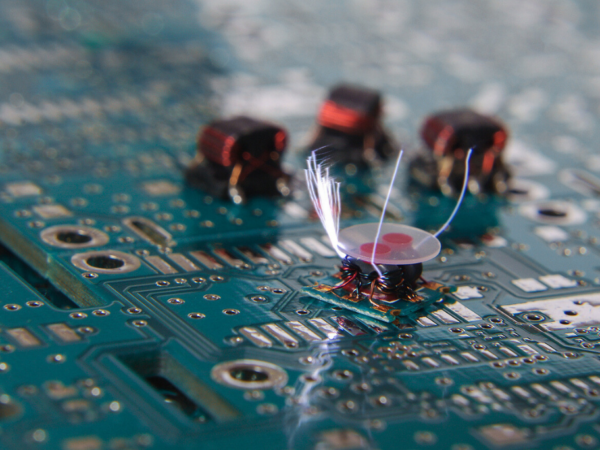
Electrostatic discharge (ESD) remains a costly and invisible threat in the electronics industry, posing significant risks to semiconductor reliability. According to the EOS/ESD Association, ESD occurs when a high electrostatic field triggers a rapid, spontaneous transfer of charge—often between objects with differing electrical potentials. This discharge, sometimes sparked by mere proximity, can severely damage sensitive electronic components.
Just 100 volts of ESD can destroy or degrade devices designed to operate at voltages as low as 1.2 volts.
As electronics become more compact and sensitive, the stakes grow higher—both in technical precision and financial loss. Industry estimates suggest ESD may account for up to 33% of all semiconductor failures during manufacturing and handling.
Why ESD Threatens Semiconductor Reliability
Modern chips feature nanometer-scale circuitry and operate at ultra-low voltages, making them vulnerable to even minimal electrical overstress. ESD can cause immediate physical harm or introduce latent defects that trigger failures over time—jeopardizing product performance and customer trust.
The economic impact is substantial. EOS/ESD Association data reveals that electrostatic discharge damage costs range from a few cents for basic diodes to thousands of dollars for advanced integrated circuits. Once manufacturers factor in rework, labor, logistics, and overhead, these expenses quickly escalate.
Understanding ESD is essential in design, testing, and equipment handling. Beyond physical damage, ESD incidents can tarnish brand reputation,” said Zachariah Peterson, IEEE member and executive consultant for Northwest Engineering Solutions.
“Being able to anticipate ESD gives engineers a decisive edge in building resilient products and robust business strategies.”
Protect Against ESD with IEEE’s Course Program
To address this challenge, IEEE offers its Practical ESD Protection Design Course Program—a hands-on training solution for engineers, technicians, and quality professionals seeking to enhance their ESD control programs.
Program Highlights:
- Interactive Modules: Cover ESD theory, real-world applications, and mitigation strategies
- Standards-Aligned Instruction: Includes ANSI/ESD S20.20 and other industry benchmarks
- Professional Certification: Earn 89 PDHs and 8.9 CEUs upon course completion
Future-Proof Your Innovation
As technologies like AI, 5G, and edge computing surge forward, ESD control will be critical to sustaining high-performance, fault-tolerant systems. The margin for error is shrinking—making proactive ESD protection more vital than ever.
Investing in IEEE’s Practical ESD Protection Design Course isn’t just risk management—it’s a strategic move to elevate product reliability, brand credibility, and long-term success.
Learn more about the program today!
Thursday, 24th July 2025